This post may contain affiliate links, including those from Amazon Associates. If you make a purchase through these links, I may earn a commission at no additional cost to you. Learn more about our affiliate policy.
Small closets have a way of making you feel like you are doing something wrong. You fold carefully, hang things with intention, and still end up with shelves that feel crowded and doors that barely close. When space is tight, it can feel like the clutter is a reflection of you rather than the limitations of the closet itself.
In reality, most small closets simply lack structure. With a few thoughtful adjustments, even a narrow reach-in or hallway nook can become easier to use and calmer to look at. These ideas focus on working with what you already have, using renter-friendly solutions that feel practical, elevated, and quietly effective.
Rethink Your Hanging Space

Add a Second Hanging Level
Many small closets have a single rod placed high on the wall, leaving a wide band of empty space underneath. That unused area creates visual imbalance and forces all clothing into one compressed line.
Adding a second hanging level allows shorter garments to live where they naturally fit, easing crowding and improving visibility. When clothing is distributed vertically, the entire closet feels more breathable and functional.
- Install a lower hanging bar beneath the existing rod
- Use the lower level for shirts, skirts, and lightweight pieces
- Reserve the upper level for longer garments
Pro Tip: Measure clearance carefully so clothes can hang freely without touching.

Switch to Slim Hanging Profiles
Bulky hangers take up far more room than we realize, especially when space is limited from side to side. Over time, they contribute to the feeling that nothing fits, even when you are not storing much.
Slim hanging profiles allow clothing to sit closer together while maintaining alignment and ease of use. This small change often creates a surprising amount of extra room.
- Replace thick hangers with slim velvet hangers in a neutral color
- Keep hanger styles consistent for visual calm
- Use textured finishes to keep garments in place
Styling Tip: Uniform hangers create a sense of order that makes a small closet feel more intentional.

Consolidate Items Vertically
When garments are spread horizontally across a rod, space disappears quickly. Vertical grouping allows multiple items to share the footprint of one.
This approach works especially well for categories that do not need full-width hanging space. Grouping items vertically makes scanning your wardrobe easier and reduces daily decision fatigue.
- Store pants, skirts, or scarves in vertical groupings
- Organize by color or category for quick visibility
- Keep frequently worn items within easy reach

Use Doors and Side Walls Intentionally

Turn the Back of the Door Into Storage
The back of a closet door is often overlooked, yet it can carry a surprising amount of visual and functional weight. When used well, it keeps everyday items accessible without adding bulk to the main space.
Door-mounted storage works best for items you reach for often but do not want mixed into shelves or drawers. This keeps the interior of the closet feeling lighter and more open.
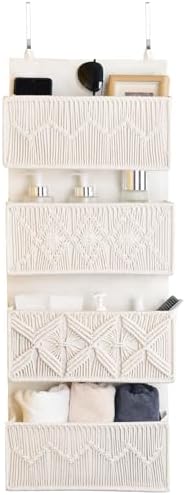
- Use hanging organizers with individual compartments
- Store shoes, accessories, or folded basics
- Keep heavier items toward the bottom
Hang Accessories in Plain Sight

Accessories often end up tangled or forgotten because they do not fit neatly into traditional storage. When they are out of sight, they tend to pile up quickly.
Hanging accessories vertically keeps them visible and easy to reach. This not only saves space but also encourages you to actually use what you own.
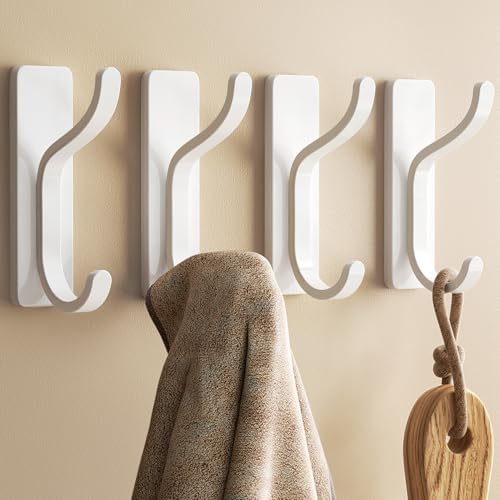
- Hang bags, belts, scarves, or hats vertically
- Group similar items together
- Keep daily-use pieces at eye level
Add Pull-Out Side Storage
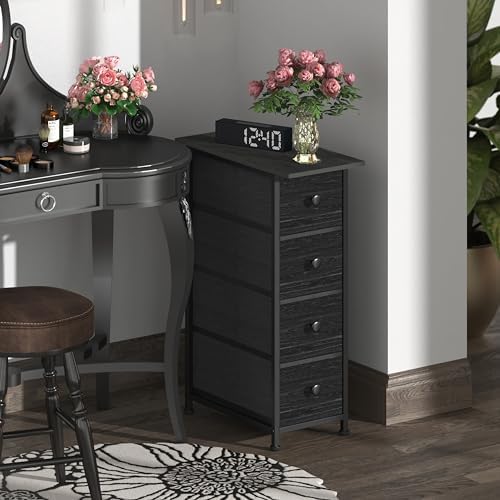
Narrow side walls inside closets often sit unused, even though they offer valuable storage potential. Slim pull-out solutions take advantage of this space without blocking movement.
This type of storage works quietly in the background, keeping long or flexible items organized without overwhelming the layout.
- Use pull-out storage along closet side panels
- Store pants, scarves, or accessories
- Slide storage back in when not in use
Style Note: Side-mounted storage keeps the closet visually open.
Add Structure to Shelves and Drawers
Divide Drawers Into Clear Zones
Without clear boundaries, drawers quickly become catch-alls. Items shift, stack, and disappear, creating unnecessary friction in daily routines.
Dividing drawers into defined zones gives every item a place to return to. This makes maintenance easier and keeps clutter from building.
- Separate drawers by category
- Use wooden adjustable dividers to create visible sections
- Fold items so everything is easy to see
Use Clear Containers on Shelves
Shelves tend to feel chaotic when small items are scattered loosely. Grouping items into containers creates instant structure and visual calm.
Clear containers allow you to see what you have without digging, reducing the urge to overbuy or reshuffle constantly.
- Group small items by type
- Keep containers transparent for visibility
- Use minimal labeling if needed
Confidence Boost: Seeing what you own helps you feel more in control of the space.

Create Under-Shelf Storage
The space beneath shelves often goes unused simply because it is not obvious how to access it. Under-shelf storage adds a hidden layer without making shelves feel crowded.
This solution works well for items you want within reach but not in the main visual line.
- Add slide-on baskets beneath shelves
- Store folded garments or accessories
- Choose open designs to keep contents visible

See These Hacks in Action
Sometimes it helps to see small-space strategies applied in a real closet. This video walks through layouts and design tweaks that make a compact closet feel twice as spacious. Watch and take note of the ideas you can apply right away.
Store Smarter, Not More
Stack Shoes Vertically
Shoes left on the floor quickly create visual clutter, especially in small closets. Vertical stacking keeps pairs together while freeing up valuable floor space.
When shoes are stored intentionally, the entire closet feels easier to maintain.
- Stack shoes instead of lining them flat
- Keep everyday pairs at eye level
- Store seasonal shoes higher up

Rotate Clothing by Season
Trying to store everything at once places constant pressure on a small closet. Seasonal rotation allows the space to work with you rather than against you.
By storing off-season clothing elsewhere, you give your current wardrobe room to breathe.
- Pack off-season clothing separately
- Store items under the bed or on high shelves
- Rotate as the weather changes
Use the Top Shelf With Intention
High shelves often become dumping grounds when they are not planned for. With intention, they can serve a clear and useful purpose.
Using lightweight containers keeps these areas functional without feeling heavy or inaccessible.
- Store infrequently used items in bins
- Label containers clearly
- Keep access safe and simple
Renter’s Note: Avoid placing heavy items overhead.
Improve Closet Lighting
Poor lighting makes small closets feel tighter than they are. Improving light instantly changes how the space functions and feels.
When you can see clearly, the closet feels more open and easier to use.
- Add lighting along shelves or rods
- Use motion-activated options for convenience
- Choose warm tones for accurate color visibility
Styling Tip: Better lighting enhances both function and atmosphere.

Bringing It All Together
A small closet does not need to feel frustrating or chaotic. With thoughtful structure and a few intentional upgrades, it can become a space that supports your routines quietly and efficiently.
Start with one or two changes that feel manageable. As structure improves, the space naturally becomes easier to maintain.
When your closet works for you, getting dressed feels calmer, faster, and far more enjoyable.