This post may contain affiliate links, including those from Amazon Associates. If you make a purchase through these links, I may earn a commission at no additional cost to you. Learn more about our affiliate policy.
You’re standing in the thrift store holding a ceramic pitcher, trying to decide if this is the one. The learning curve of decorating a thrifted apartment is real, and most of the regret comes from not knowing what to look for.
There are reliable signs. And once you start reading them, the whole experience shifts from guesswork to something close to intuition.
Signs You’re Actually Looking At Something Good
- How to tell real materials from convincing imitations
- The condition signals that matter (and the ones that don’t)
- Why shape beats price, every time
- The versatility test that keeps small spaces from getting cluttered
- How to trust your styling instincts in the moment
Sign 1: The Material Is Real
The fastest read on whether a thrift store item is worth buying is whether the material is genuine. Solid wood, brass, ceramic, rattan, and linen all age and hold up in ways that synthetic materials simply don’t.
Run your hand across a surface. Tap it lightly. Press a fingernail gently into a corner. Real materials have weight and resistance. Particleboard dents. Hollow metal is light. Laminate peels at the edges if you look closely enough to catch it.
This isn’t about gatekeeping certain materials. It’s about whether the piece will age gracefully in your space or fall apart within a season. Thrifted home decor that holds up over time is almost always made of something genuine.
Pro Tip: Turn ceramic pieces over and look at the foot. A rough, unglazed bottom is a sign of quality firing. Glazed all the way underneath often signals mass production.
Sign 2: You Love the Shape, Not the Price
A $3 vase you feel lukewarm about is still clutter. Thrift stores are full of reasonably priced things that will sit in your apartment without ever making you feel anything. Walk past them.
The sign that something is worth buying is that you look at the silhouette and something clicks before you even check the tag. Lead with the form, not the cost. Rounded, architectural, organic, graphic. Whatever your instinct is, let that be the deciding factor.
The price only matters if you already love the shape.
Sign 3: It’s Dirty, Not Damaged

This is the distinction that saves you from both overpaying and walking away from a real find. Grime, tarnish, dust, and cloudy glass are all reversible. With a little time and the right cleaner, a genuinely grimy piece can look remarkable.
The things that don’t clean up: wobbling joints, water stains that have penetrated the finish, persistent odors, cracked ceramics, and rust that has eaten through metal. Those are structural problems, not surface ones.
Before you commit, do a quick physical check:
- Wiggle legs, handles, and joints for any give
- Smell any porous materials up close
- Press lightly on wood surfaces to check for soft spots
- Look underneath for signs of previous repairs or damage
A piece that is merely dirty is an opportunity. A piece with structural damage is a project, and projects require honesty about whether you’ll actually finish them.
Renter’s Tip: Odors in textiles and porous materials like raw wood or unfinished rattan are genuinely hard to remove in a small space. Unless you have outdoor airflow and time to spare, skip anything with a strong smell.
Sign 4: The Proportions Work in Your Actual Space
Good thrifted home decor has to fit spatially, not just aesthetically. A lamp that is too small for a side table will disappear. A mirror that is slightly too wide for the wall will look awkward no matter how beautiful the piece is. Proportions are everything in a small apartment.
Before you buy something large, know your measurements. Keep a note in your phone with the dimensions of your key walls, tables, and floor spaces. This sounds tedious, and it is, but it eliminates so much regret later.
For smaller items, use your body as a reference point. A vase that reaches your elbow reads as a floor piece. A bowl that fits comfortably in both hands is a tabletop piece. Your own scale does a lot of the measuring.
Quick Tip: Photograph your apartment and save it to your camera roll before heading to the thrift store. Scrolling through your own space while you shop makes scale decisions much clearer.
Sign 5: It Works in At Least Two Places
Versatility is a design quality, not just a practical one. A basket that can hold throw blankets in the living room and double as a side table base in the bedroom is better designed than a basket that only does one thing. The thrift pieces that earn their keep are the ones that can move through a space.
Ask yourself: if this doesn’t work where I plan to put it, where else could it live? A clear second answer is a good sign. If you’re drawing a blank, the piece may be too specific for an apartment where every item needs to pull its weight.
This principle runs through the best thrifted finds for a city apartment. The pieces that feel curated are rarely precious. They’re adaptable.
Sign 6: You Can Picture It with Three Things You Already Own
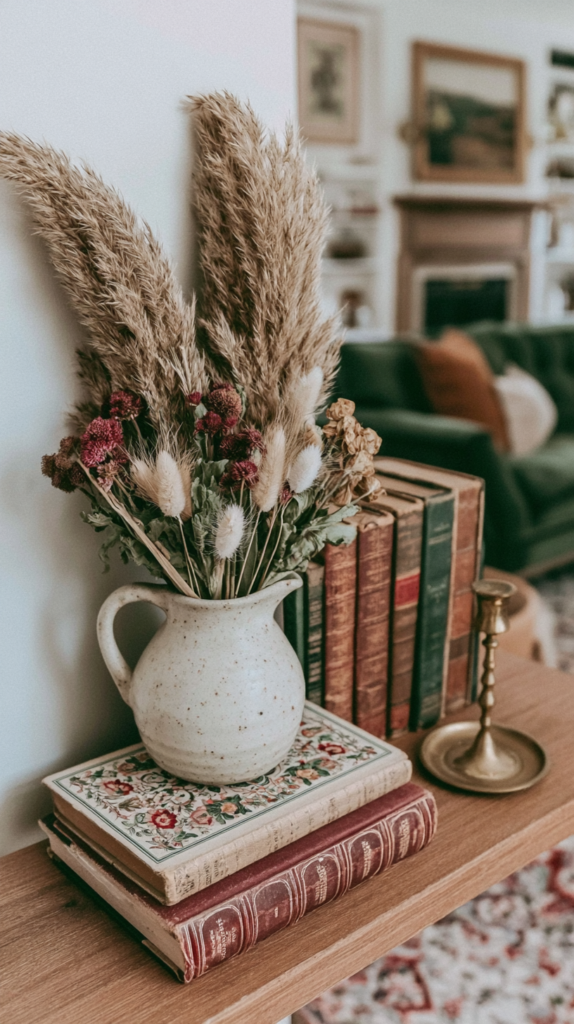
This is the test that separates a genuine home for something from a hopeful one. Close your eyes and pair the piece mentally with three items in your apartment. Can you place it in a real vignette (a shelf, a corner, a tabletop)? If you can’t find the natural companions, the piece will float unanchored once you get it home.
This is also where thrifted vs styled home decor tends to diverge. The styled version has clear allies in the room. The unstyled version sits on surfaces looking for a context that never quite arrives.
You don’t need everything to match. You need things to have a conversation.
Styling Tip: For a visual example of this in practice, these thrifted decor ideas show how a few well-chosen pieces anchor a whole room’s feeling without matching a single thing.
Sign 7: It Has Something Mass Production Doesn’t
This one is harder to define but easy to feel. The weight of a thick ceramic mug. The imperfect rim on a handmade vase. Brass that has oxidized in a way that looks like actual time rather than a spray can. A wood grain that is genuinely distinct from every other board cut from the same tree. Real thrifted home decor has a presence that manufactured items rarely replicate.
This quality is not about age alone. It’s about material honesty and intention. A piece made with real craft looks different in a room than one designed by machine for mass appeal. It is more specific. It has more character. And character is exactly what a rented apartment needs most.
If you want to deepen this instinct, how to thrift like an interior stylist is worth the time.
You will not get it right every time. Some pieces look better in the store than they do at home, and that is part of the learning. But most thrift regret comes from skipping the check. Buying something because the price was right without pausing on the actual signals is how things pile up.
The seven signs above are a framework, not a rulebook. Use them freely, adjust them to your space, and let yourself get better at reading a thrift store and a room at the same time. A thrifted apartment done right doesn’t look assembled. It looks earned.