This post may contain affiliate links, including those from Amazon Associates. If you make a purchase through these links, I may earn a commission at no additional cost to you. Learn more about our affiliate policy.
European apartments have a way of turning small spaces into something inviting. The rooms are compact, yet they rarely feel cramped. Even the simplest flats feel layered and personal because every inch is used thoughtfully.
For anyone living with limited square footage, this approach offers a kind of relief. Instead of striving for perfection or following trends, it becomes about noticing the potential already in the room and making choices that feel calm and intentional.
This style of organization is not about rigid minimalism. It is about creating clarity by giving each item a place, letting light and air move through the space, and allowing practicality to become part of the beauty.
The ideas below can help you feel more grounded in your home and more confident in the choices you make.
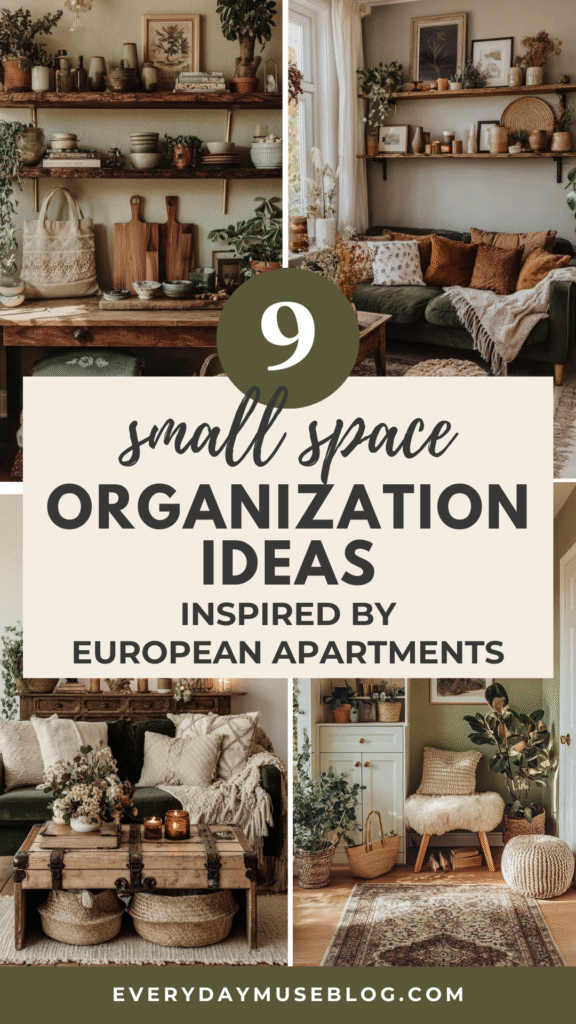
Embrace Vertical Space as a Design Feature
Floating Shelves That Add Height and Lightness
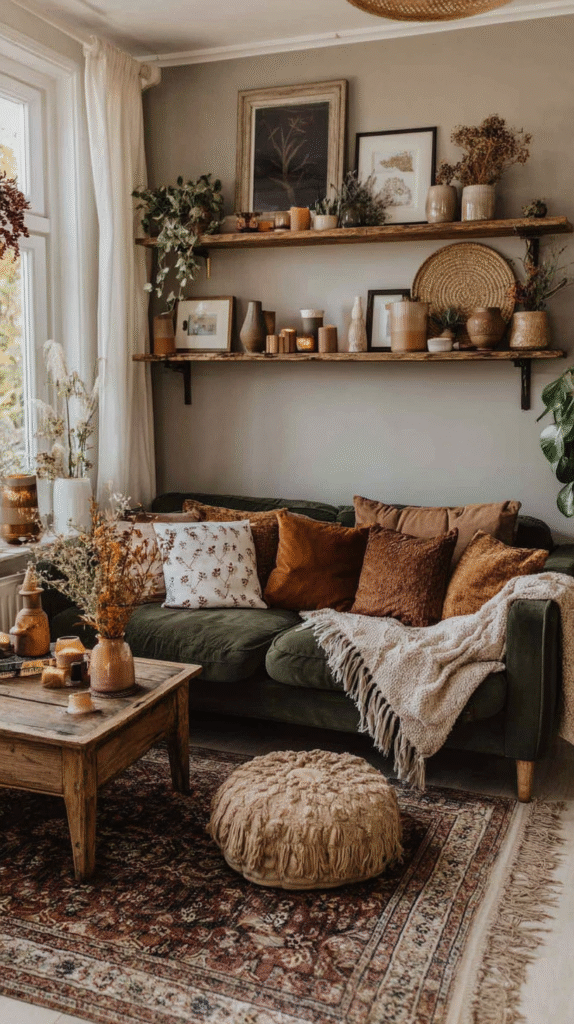
Many European homes rely on wall shelving because it keeps surfaces clear and encourages visual flow. A narrow floating shelf above a sofa or desk can hold books, ceramics, or framed prints without overwhelming the room.
When the eye is guided upward, the space feels taller and more open. Choose one or two shelves that coordinate with your existing materials to keep the look cohesive.

Rails, Hooks, and Peg Strips for Everyday Objects
Rails and hooks are a simple way to organize items that otherwise scatter across tables. A rail in the kitchen can hold mugs and utensils. Hooks near the entry can catch bags and scarves.
Peg strips can turn a wall into a flexible storage display. These small details make daily routines smoother and help reduce clutter in a natural, unfussy way.
Quick Tip: Use adhesive-backed hooks for a renter-friendly solution that can be removed without damage.

If you love the way European apartments balance beauty and function, you may also enjoy these ideas for vintage decorating ideas that make small spaces look bigger using thoughtful scale and visual restraint.
Make Multifunctional Furniture the Foundation
Choose Pieces That Store and Serve
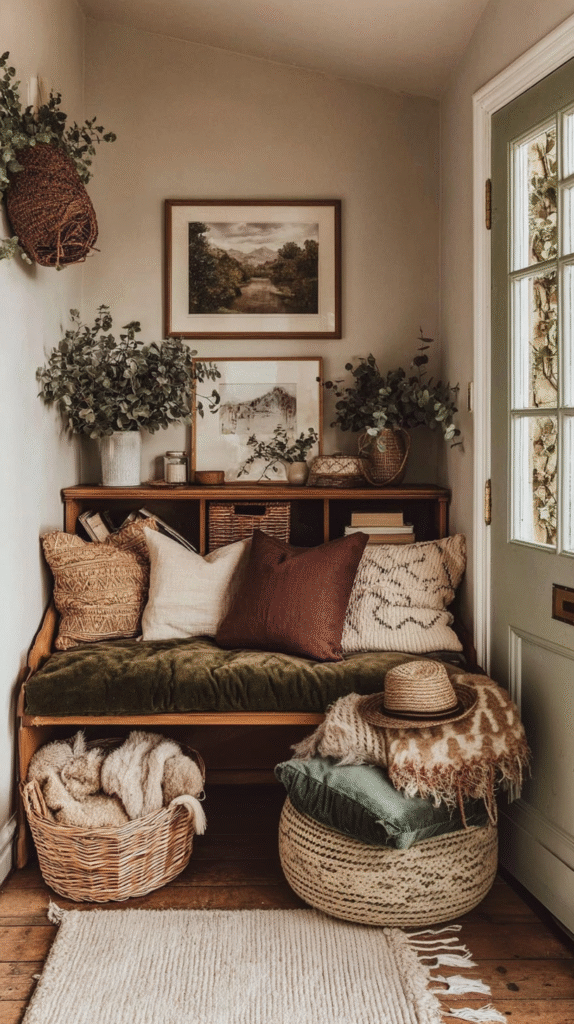
In many European apartments, furniture is expected to do more than one job. A bench with hidden storage can hold blankets or shoes while offering seating. A coffee table with a lower shelf creates a place for trays or books. These pieces help keep belongings organized so you can enjoy the open space you have.

Opt for Compact, Transforming Furniture
Fold-out desks, nesting tables, or cabinets with drop-down surfaces create small zones for work or dining without demanding permanent space. These pieces adapt to your needs and make it easier to maintain a sense of calm, especially in a studio or small living room.
Pro Tip: Before buying new furniture, measure your space and map simple layouts on paper. A few minutes of planning prevents decision fatigue later.

Create Micro Zones for Daily Routines
Use Furniture and Rugs to Define Spaces
A thoughtfully placed rug or a small bookshelf can gently separate one area from another. This is a common design strategy in compact European layouts where rooms often serve multiple purposes. A small rug under a reading chair signals a quiet corner. A side table with a lamp creates a soft boundary for winding down in the evening.
Build Purposeful Corners
Look for underused pockets of your home and let them become functional zones. A slim shelf and a stool can form a tiny workspace. A low bench with a tray can become a tea nook. These corners offer structure without feeling rigid, and they help reduce the sense of overwhelm that comes from an undefined layout.
Styling Tip: Start with one mini zone. Once it feels right, move to the next.
Use Shallow Cabinets and Cupboards to Keep Essentials Close
Slim Storage That Fits Small Walls
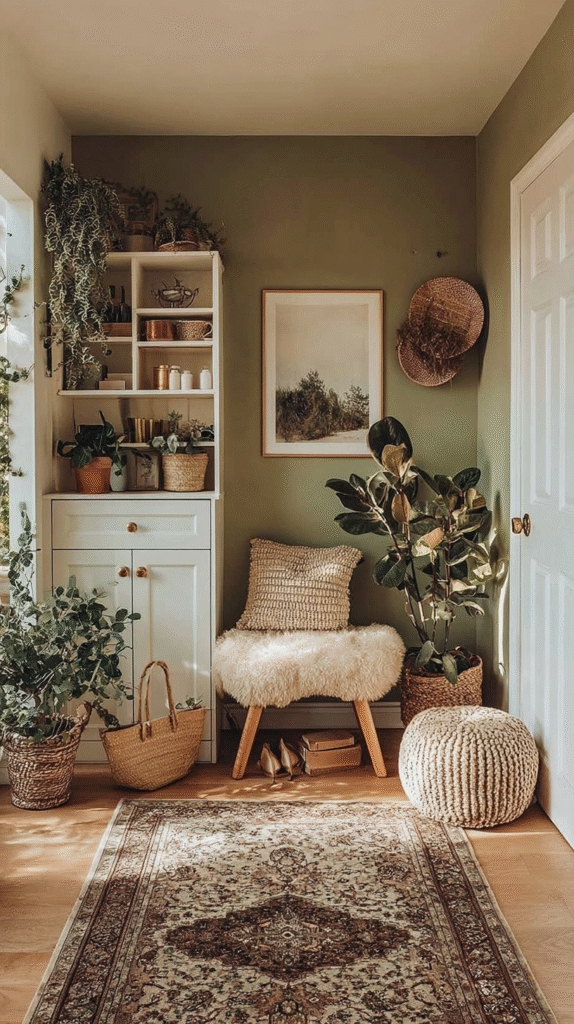
Shallow cabinets are a quiet secret of many European homes. They can be mounted above radiators, beside doorways, or on narrow walls where deeper furniture would crowd the room. These cabinets hold daily essentials without visually intruding. They keep surfaces free and create breathing room for the rest of the space.
Refresh Thrifted Cabinets for Character
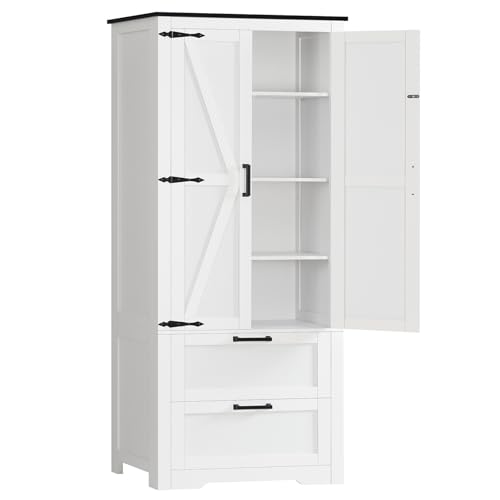
Vintage cupboards are often the perfect depth for small apartments. A coat of paint or a simple hardware swap can turn a thrifted find into beautiful, practical storage. This kind of piece brings warmth to the room and gives you a place to hide items that do not need to be seen.
Renter’s Tip: If you cannot mount a cabinet, look for a slim freestanding option that tucks into a corner without blocking circulation.
For even more inspiration on organizing tight storage areas, this guide to 16 tiny closet organization hacks that double your space pairs beautifully with shallow cabinets and hidden storage.
Let Everyday Objects Become Part of the Decor
Display Useful Items in a Thoughtful Way
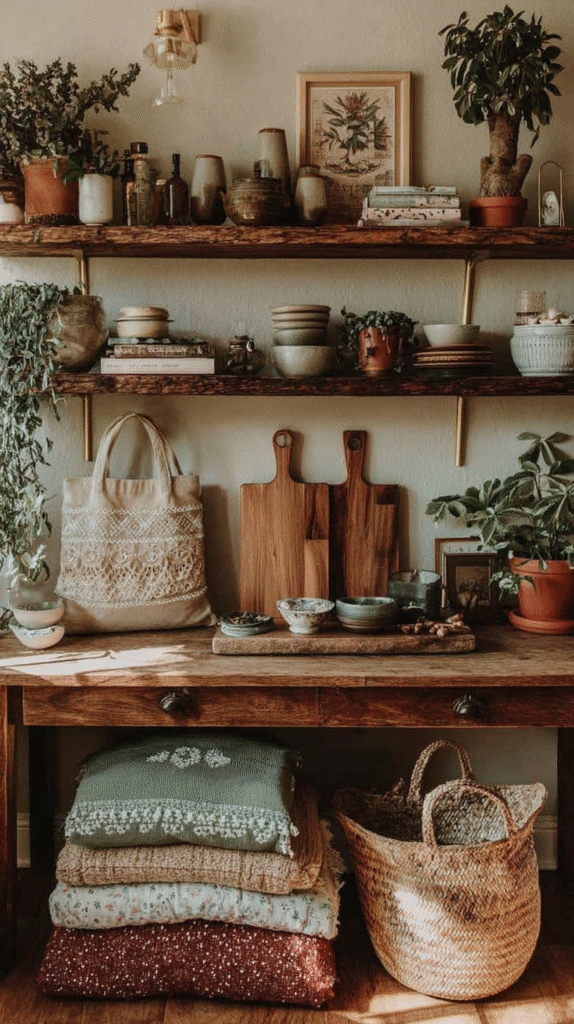
European interiors often blur the line between storage and styling. Cutting boards, hats, woven bags, and linens are displayed openly because they serve the home and add natural texture. When practical objects are arranged with intention, they reduce the need for extra bins and help the room feel lived in rather than staged.
Curate and Simplify What You Keep Visible
You do not need to display everything, only the pieces you enjoy using or seeing. A few ceramics on an open shelf or a basket on a hook near the door can make the space feel personal. Editing what you keep visible creates clarity and helps you make decisions with more confidence.
Quick Tip: Limit open shelving to items you use daily or items that make you feel happy when you look at them.
This layered, lived-in approach is echoed in our guide to 10 affordable thrifted finds that instantly cozy up a city apartment, where practical pieces become part of the visual story rather than hidden away
Use Flexible Storage That Moves With You
Lightweight Baskets for Everyday Clutter
Woven baskets and fabric bins are essential in smaller homes because they shift easily as your needs change. Place one by the sofa for throws, another under a console for extra cables or magazines. These baskets soften the room and make tidying feel less stressful.

Stackable Bins for Cabinets and Closets
Cabinet space expands instantly when you use stackable containers or under-shelf baskets. These tools create zones inside cupboards so every item has a home. It is a simple way to avoid the avalanche effect that often happens when storage is limited.
Style Tip: Choose two or three textures and repeat them throughout the room for a warm, cohesive look.

Turn the Entry Area Into a Functional Drop Zone
Wall Hooks and Slim Shelves for Daily Items
Even a small entryway can support a landing spot for coats, keys, and bags. A row of hooks and a narrow shelf provide structure as soon as you walk in the door. This small step keeps clutter from drifting into the rest of the apartment and makes arrivals and departures smoother.

Use Trays and Baskets to Catch the Little Things
A small tray for keys or sunglasses reduces the feeling of disarray that comes from loose objects. A basket by the door can gather hats or umbrellas. These small organization habits add up over time and reduce mental load.
Quick Win: Keep your entry area limited to two categories, such as outerwear and essentials. This prevents the space from becoming overcrowded.
Choose Furniture That Feels Light and Airy
Select Pieces With Visible Legs and Open Frames
Furniture that lifts off the floor helps the room feel more spacious. Chairs with open backs, metal-frame shelves, and slim-legged tables allow light to pass through and give the illusion of more square footage. These pieces support organization because they prevent the room from feeling heavy or congested.
Leave Breathing Room Around Your Furniture
Pulling furniture a few inches away from the wall makes a noticeable difference in a small home. It adds depth and improves the flow of the space. This small shift can ease the sense of clutter and help you feel more at home in your surroundings.
Styling Tip: When arranging furniture, step back and view the room from different angles. A simple adjustment often creates more balance.
Use Hidden Storage in Plain Sight
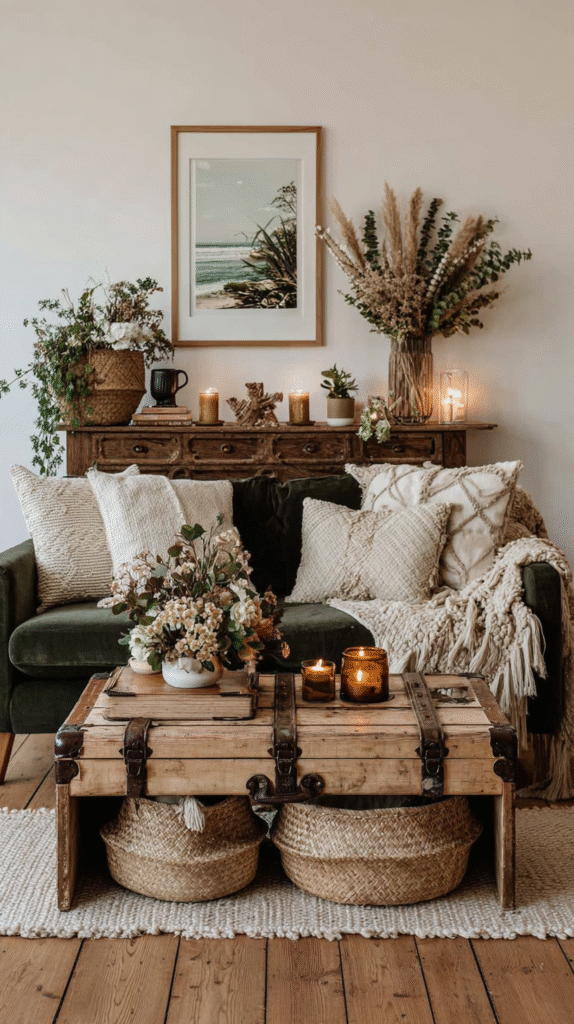
Under Bed and Under Sofa Storage
European apartments often rely on the space beneath larger furniture. Use bins or low baskets to store seasonal bedding, off-season clothing, or decor. This keeps your everyday living spaces clear while still keeping items accessible.
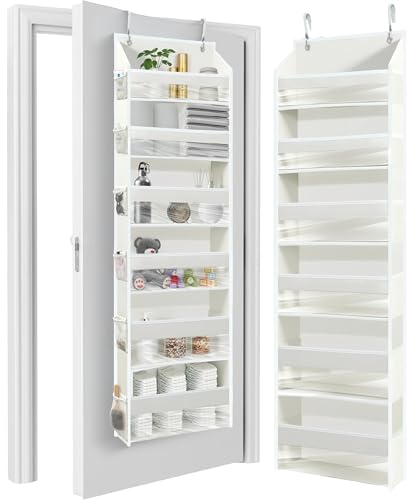
Over Door and Under Shelf Solutions
Look for storage opportunities above doors, beneath shelves, or beside wardrobes. These overlooked areas can hold boxes, baskets, or trays. Hidden storage helps reduce the number of visible items and brings a sense of calm to the room.
Pro Tip: Keep storage containers in consistent tones so they blend seamlessly into the environment.
Closing Reflection
Small apartments have a way of encouraging creativity. When space is limited, function becomes part of the design and organization becomes a quiet form of self care. Each small shift, each micro zone, and each piece of furniture chosen with intention builds toward a home that feels supportive instead of stressful.
There is no rush to perfect it. Start with one idea that feels approachable. As your space begins to open up, you will trust your decisions more and discover a rhythm that fits your life. The calm you are searching for grows from these thoughtful details, and each small choice brings you closer to the home you imagine.